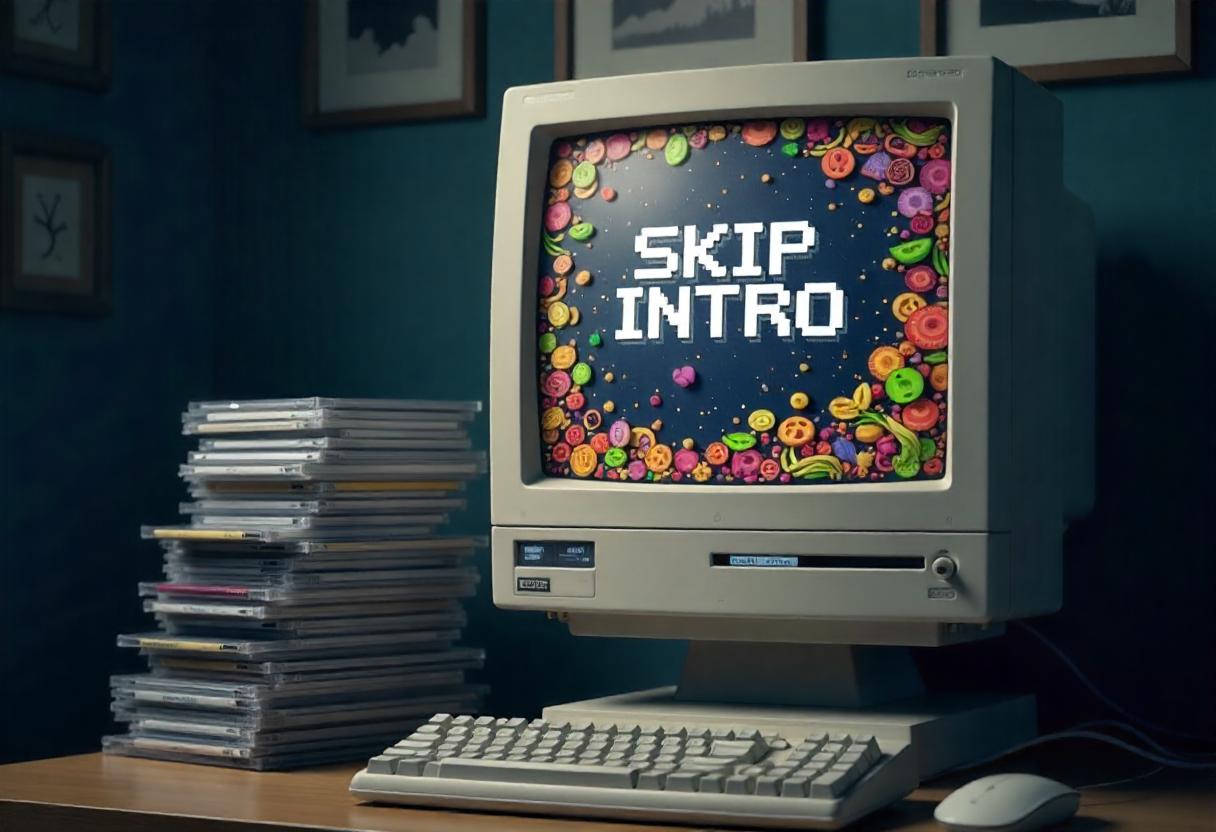
Do you remember the days when inserting a CD-ROM felt like opening a portal to the future? When Macromedia Flash ruled the internet, and websites proudly boasted splash screens, animated intros, and (regrettably) auto-playing MIDI music?
Welcome to the era when Digital was New Media – a time of pixelated pioneers, 56k dial-up symphonies, and a web experience that often felt more like an interactive DVD menu than the sleek, algorithm-driven beast we know today.
The ‘New Media’ Revolution
Back in the late ‘90s and early 2000s, Digital was still a fresh frontier. Marketers, designers, and developers alike were learning how to harness its potential. If you wanted to deliver cutting-edge interactive content, you weren’t launching an app or embedding a TikTok – no, you were commissioning a CD-ROM experience.
CDs weren’t just for music; they were premium digital real estate. Brands invested heavily in multimedia-driven content, from immersive product catalogues to interactive brand experiences – often boasting 3D renderings that, at the time, looked like something out of The Matrix.
One famous example of CD-ROM marketing overkill was America Online (AOL)’s relentless free trial discs. AOL practically carpet-bombed mailboxes, inserting their sign-up CDs into magazines, cereal boxes, and yes, even hiring people to hand them out on street corners. The strategy was so over-the-top that at one point 50% of the CDs produced worldwide had an AOL logo on them!
That’s right – half of the world’s CD production went to those “free hours” AOL disks. We used them, we made coasters out of them, and we joked that you could build a house from the excess CDs. Ridiculous as it was, it worked – millions of users got online through those shiny discs. Physical media was king, and if you wanted someone to experience your digital content, you mailed it to them. It was an era when “You’ve Got Mail!” arrived by postal mail and email.
And then there was Macromedia Flash, the creative powerhouse that turned the web into a playground of animated logos, games, and those dreaded “Skip Intro” buttons. Every designer worth their salt had a Flash-powered portfolio, and businesses revelled in dazzling, overly complex navigation systems that made finding basic information an adventure.
From ‘Click to Enter’ to Instant Engagement
Fast forward to today, and the ‘New Media’ of yesteryear has become the ancient history of digital. CDs? Relics. Flash? Extinct, thanks to Apple, (RIP, 2020). Today’s digital landscape is all about speed, personalisation, and omnichannel marketing.
Where a brand’s digital presence once lived on a disc or a heavy website, now it’s fluid – seamlessly integrated across social media, dynamic web platforms, and AI-driven customer experiences.
Then vs Now: A Digital Transformation
| Then (2000s) | Now (2020s) |
|---|---|
| CD-ROM catalogues | AI-driven product recommendations |
| Flash websites with loading screens | Responsive, mobile-first UX |
| Email newsletters with clip art | Personalised email automation |
| Banner ads | Programmatic, targeted advertising |
| SEO = keyword stuffing | SEO = quality content + user experience |
Digital marketing is no longer about making people sit through an experience – it’s about getting them where they want to go instantly. Attention spans are shorter, engagement is smarter, and customers expect instant value.
What We Can Learn from the ‘New Media’ Era
Despite its quirks, there’s a lot the New Media days can teach us:
- Creativity is king. Even in an age of algorithms, engaging visuals and storytelling still drive success.
- Interactivity matters. The best digital marketing isn’t just seen – it’s experienced, whether through immersive web design or social media engagement.
- Nostalgia sells. Brands that understand their past can use it to craft an authentic identity today. (Just look at how vinyl, ‘90s fashion, and retro aesthetics keep making comebacks.)
The Future of Digital: What’s Next?
If CDs and Flash were once the height of innovation, what’s next? AI-generated content, hyper-personalisation, and immersive, interactive experiences are already defining the next phase of digital marketing.
But one thing’s for sure – just like Flash websites and CD-ROM brochures, today’s cutting-edge tech will one day be a nostalgic relic. So let’s embrace the evolution, experiment with new tools, and, who knows? Maybe in 20 years, we’ll be reminiscing about the TikTok era the way we now remember ‘Click to Enter’ homepages.
Works Digital have helped many clients through previous digital revolutions – we can help you through your digital evolution.
Let’s chat.